
Urinary Incontinence Surgery
Urinary incontinence surgery is performed to treat loss of bladder control, a condition where urine leaks involuntarily. It can affect both men and women and may occur due to weak pelvic muscles, nerve damage, aging, childbirth, prostate surgery, or other medical conditions. Urinary incontinence surgery helps restore bladder control, improve confidence, and enhance overall quality of life.
All Services
get in touch today!
Contact Us
Address Medical
Work Time Information
10.00am - 04.00pm
Surgery for Urinary Incontinence
Urinary incontinence surgery involves correcting the underlying cause of urine leakage. Depending on the type and severity of incontinence, different surgical techniques may be used, such as sling procedures, bladder support surgery, or artificial urinary sphincter placement. Most procedures are minimally invasive and offer excellent outcomes.
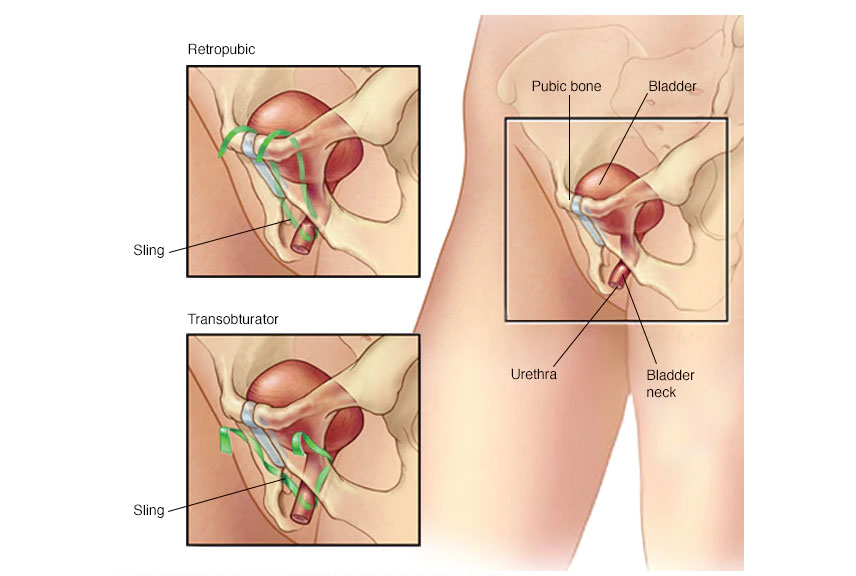
How Urinary Incontinence Surgery Is Performed
The surgical approach depends on the type of incontinence.
Evaluation and Diagnosis
Selection of Surgical Technique
Surgical Correction
Closure and Recovery
Benefits of Urinary Incontinence Surgery
Urinary incontinence surgery provides effective and long-term relief.
Who Should Consider Urinary Incontinence Surgery?
Urinary incontinence surgery is recommended for patients whose symptoms do not improve with medications, pelvic floor exercises, or lifestyle changes. It is suitable for both men and women experiencing stress, urge, or mixed urinary incontinence.
Success Rate of Urinary Incontinence Surgery
The success rate of urinary incontinence surgery is high, with most patients experiencing significant improvement or complete control of urine leakage after the procedure.
Preparation Before Urinary Incontinence Surgery
Before surgery, patients undergo urine tests, imaging studies, and urodynamic evaluations if required. Pre-anesthesia assessment is done to ensure the patient is fit for surgery.
Hospital Stay After Urinary Incontinence Surgery
Most urinary incontinence surgeries are day-care or short-stay procedures. Patients are usually discharged within 24 to 48 hours, depending on the type of surgery performed.
Recovery After Urinary Incontinence Surgery
Recovery is generally smooth. Patients can resume light activities within a few days, while heavy lifting and strenuous exercise should be avoided for a few weeks as advised by the doctor.
Pain Management After Urinary Incontinence Surgery
Postoperative pain is usually mild and managed with oral pain medications. Discomfort reduces gradually as healing progresses.
Risks and Complications of Urinary Incontinence Surgery
Possible risks include infection, bleeding, temporary difficulty in urination, or recurrence of symptoms. Serious complications are rare when surgery is performed by skilled specialists.
Life After Urinary Incontinence Surgery
After surgery, most patients experience improved bladder control and confidence. Regular follow-up helps ensure long-term success and early detection of any concerns.
get in touch today!
Contact Us
Address Medical
Work Time Information
10.00am - 04.00pm
What is urinary incontinence surgery?
Who needs urinary incontinence surgery?
Is urinary incontinence surgery painful?
Does urinary incontinence surgery provide permanent results?