Transurethral Resection of the Prostate (TURP)
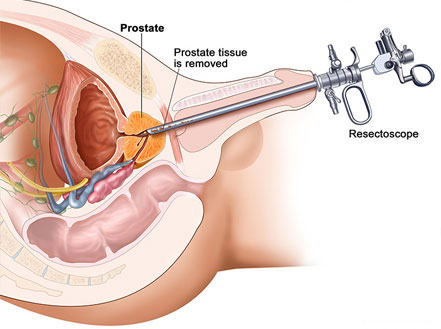
Transurethral resection of the prostate (TURP) is a surgery used to treat urinary problems due to an enlarged prostate. A combined visual and surgical instrument (resectoscope) is inserted through the tip of your penis and into the tube that carries urine from your bladder (urethra). The prostate surrounds the urethra. Using the resectoscope, your doctor trims away excess prostate tissue that’s blocking urine flow. TURP is generally considered an option for men with moderate to severe urinary problems that haven’t responded to medication. Traditionally, TURP has been considered the most effective treatment for an enlarged prostate. However, a number of other, minimally invasive procedures are becoming more effective, due to improved techniques and surgical tools. These minimally invasive procedures generally cause fewer complications and have a quicker recovery period than TURP. The risk of bleeding is generally higher with TURP, so it might not be the best option for certain men who take blood-thinning medications.
All Services
get in touch today!
Contact Us
Address Medical
Work Time Information
10.00am - 04.00pm
Prostate Enlargement Surgery Using TURP
TURP is considered the gold-standard surgical treatment for enlarged prostate causing urinary problems. During the procedure, a resectoscope is passed through the urethra to remove the obstructing prostate tissue. This restores normal urine flow and reduces symptoms such as weak stream, frequent urination, and incomplete bladder emptying.
How TURP Is Performed
TURP follows a precise endoscopic surgical approach under anesthesia.
Benefits of TURP
TURP offers effective and lasting relief for men suffering from prostate enlargement.
Who Should Consider TURP?
TURP is recommended for men with moderate to severe urinary symptoms due to enlarged prostate, especially those who do not respond well to medications or develop complications such as urinary retention, recurrent infections, bladder stones, or kidney damage.
Is TURP a Safe Procedure?
TURP is a safe and widely performed procedure when done by experienced urologists. Advances in surgical techniques and equipment have significantly reduced complications, making TURP a reliable option for long-term symptom relief in BPH patients.
Success Rate of TURP
TURP has a high success rate, with most patients experiencing significant improvement in urinary symptoms and urine flow. Benefits are usually long-lasting, making TURP an effective one-time surgical solution for prostate enlargement.
Preparation Before TURP
Before TURP, patients undergo blood tests, urine analysis, prostate evaluation, and anesthesia assessment. Certain medications such as blood thinners may need to be stopped. Proper preparation ensures safe surgery and optimal outcomes.
Hospital Stay After TURP
Hospital stay is usually 2–3 days, depending on recovery. A urinary catheter is kept for a short period to allow healing and is removed once urine flow is stable.
Recovery After TURP
Most patients resume normal daily activities within 2–3 weeks. Urinary symptoms improve gradually, and temporary burning or frequency may occur initially but usually resolves with time.
Life After TURP
After TURP, most men experience long-term relief from urinary symptoms and improved bladder function. Regular follow-up ensures prostate health and early detection of any recurrence.
get in touch today!
Contact Us
Address Medical
Work Time Information
10.00am - 04.00pm
What condition does TURP treat?
Is TURP a major surgery?
How long does it take to recover after TURP?
Will TURP affect sexual function?