
Ureteric Reimplantation
Ureteric reimplantation is a surgical procedure performed to correct abnormalities in the connection between the ureter and the bladder. It is most commonly done to treat vesicoureteral reflux (VUR), ureteric obstruction, or injury to the ureter. The surgery helps restore normal urine flow from the kidneys to the bladder, preventing kidney damage and recurrent infections.
All Services
get in touch today!
Contact Us
Address Medical
Work Time Information
10.00am - 04.00pm
Surgery for Ureteric Reimplantation
Ureteric reimplantation involves detaching the ureter from its abnormal position and reattaching it to the bladder in a way that prevents backward flow of urine. The procedure can be performed using open, laparoscopic, or minimally invasive techniques depending on the patient’s condition and age. It is commonly performed in children but may also be required in adults.
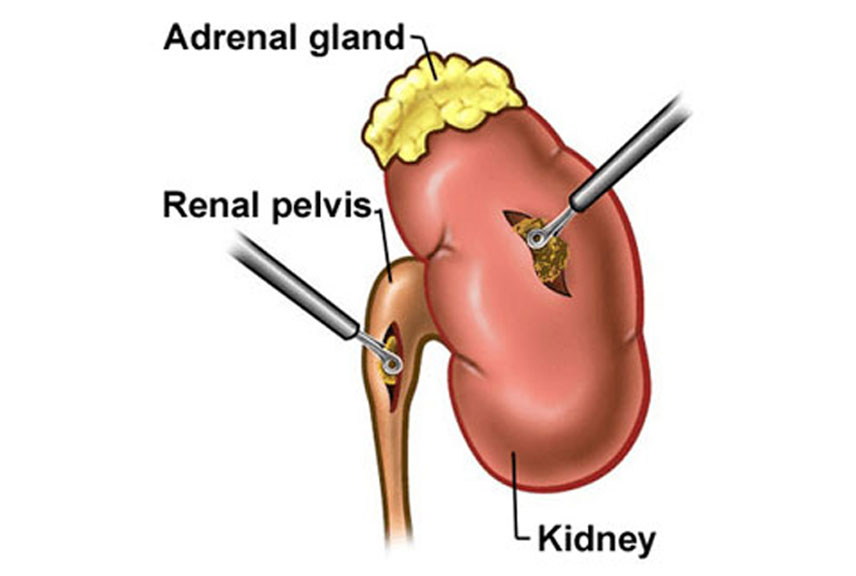
How Ureteric Reimplantation Is Performed
Ureteric reimplantation is carried out using a precise surgical approach.
Identification of Affected Ureter
Detachment of Ureter
Creation of New Bladder Tunnel
Reattachment of Ureter
Benefits of Ureteric Reimplantation
Ureteric reimplantation provides lasting protection to the urinary system.
Who Should Consider Ureteric Reimplantation?
Ureteric reimplantation is recommended for patients with severe vesicoureteral reflux, repeated urinary tract infections, ureteric strictures, or ureteric injury that does not respond to conservative treatment.
Is Ureteric Reimplantation Safe?
Ureteric reimplantation is a safe and well-established procedure when performed by experienced urologists. Modern surgical techniques have significantly reduced complications.
Success Rate of Ureteric Reimplantation
The success rate of ureteric reimplantation is very high, with most patients achieving complete resolution of reflux or obstruction and improved kidney function.
Preparation Before Ureteric Reimplantation
Preoperative preparation includes urine tests, imaging studies, kidney function tests, and pre-anesthesia evaluation to ensure patient safety.
Hospital Stay After Ureteric Reimplantation
Hospital stay typically ranges from 2 to 5 days, depending on the surgical technique and patient recovery. Catheterization may be required temporarily.
Recovery After Ureteric Reimplantation
Recovery is gradual. Most patients can return to normal activities within a few weeks. Children usually recover faster than adults.
Pain Management After Ureteric Reimplantation
Postoperative pain is managed with medications. Discomfort decreases steadily as healing progresses.
Risks and Complications of Ureteric Reimplantation
Possible risks include infection, bleeding, ureteric obstruction, or persistent reflux. Serious complications are uncommon with skilled surgical care.
Life After Ureteric Reimplantation
After surgery, patients experience improved urinary function and reduced infections. Regular follow-up helps monitor kidney health and long-term outcomes.
get in touch today!
Contact Us
Address Medical
Work Time Information
10.00am - 04.00pm
What is ureteric reimplantation?
Why is ureteric reimplantation done?
Is ureteric reimplantation painful?
Is ureteric reimplantation permanent?