Pyelolithotomy / Ureterolithotomy (Open Surgery for Kidney or Ureter Stone)
Pyelolithotomy and ureterolithotomy are open surgical procedures performed to remove kidney stones or ureter stones when minimally invasive treatments such as PCNL, RIRS, URS, or ESWL are not possible or have failed. These procedures involve making a surgical incision to directly access and remove the stone, ensuring complete clearance in complex or difficult cases.
All Services
get in touch today!
Contact Us
Address Medical
Work Time Information
10.00am - 04.00pm
Open Stone Removal Surgery for Kidney and Ureter
Pyelolithotomy is performed to remove stones directly from the kidney pelvis, while ureterolithotomy is used to remove stones lodged in the ureter. These surgeries allow the surgeon to directly visualize the stone and remove it completely. Although recovery is longer compared to minimally invasive procedures, these surgeries remain important options for complex stone disease.
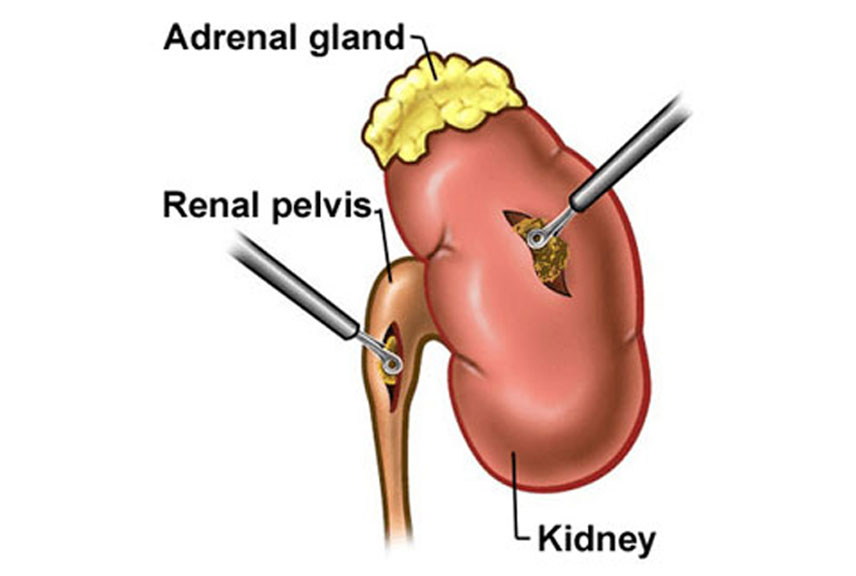
How Pyelolithotomy / Ureterolithotomy Is Performed
These procedures are performed under general anesthesia by an experienced urologist.
Benefits of Pyelolithotomy / Ureterolithotomy
These surgeries provide effective treatment in selected complex stone cases.
Who Should Consider Pyelolithotomy or Ureterolithotomy?
These procedures are recommended for patients with very large kidney or ureter stones, impacted stones causing severe obstruction, or when minimally invasive stone treatments are unsuccessful or unavailable. The decision is made after detailed imaging and evaluation by a urologist.
Is Pyelolithotomy / Ureterolithotomy Safe?
These are safe and effective procedures when performed by experienced surgeons. Although they involve open surgery and longer recovery, careful surgical technique and postoperative care help minimize complications and ensure good outcomes.
Success Rate of Pyelolithotomy / Ureterolithotomy
Both procedures have a high success rate in achieving complete stone removal, especially in complex cases. Most patients achieve definitive stone clearance in a single surgery.
Preparation Before Surgery
Before surgery, patients undergo imaging studies, blood tests, urine analysis, and anesthesia assessment. Certain medications such as blood thinners may need to be stopped. Proper preparation ensures safe surgery and smooth recovery.
Hospital Stay After Surgery
Hospital stay is usually longer compared to minimally invasive procedures, typically 5–7 days, depending on recovery and wound healing.
Recovery After Surgery
Recovery generally takes 4–6 weeks. Patients are advised to avoid heavy lifting and strenuous activity during the healing period. Gradual return to normal activities is encouraged as advised by the doctor.
Life After Pyelolithotomy / Ureterolithotomy
After successful surgery, patients experience significant relief from stone-related symptoms. Adequate hydration, dietary changes, and regular follow-up help prevent future stone formation and protect kidney health.
get in touch today!
Contact Us
Address Medical
Work Time Information
10.00am - 04.00pm
When is pyelolithotomy or ureterolithotomy required?
Is this surgery painful?
How long does recovery take?
Are these surgeries still common?