Vesicovaginal Fistula Surgery (VVF Repair)
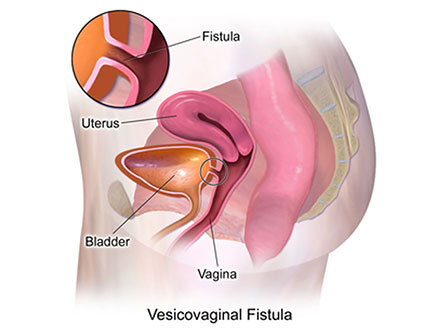
Vesicovaginal fistulae are usually secondary to obstetrical trauma, pelvic surgery, advanced pelvic cancer, or radiation therapy for treatment of pelvic cancer.Vesicovaginal fistula (VVF) is an abnormal connection between the urinary bladder and the vagina that leads to continuous leakage of urine through the vagina. It most commonly occurs after prolonged or difficult childbirth, gynecological surgeries, pelvic radiation, or trauma. VVF surgery is performed to close this abnormal opening, restore normal urinary control, and significantly improve a woman’s quality of life.
All Services
get in touch today!
Contact Us
Address Medical
Work Time Information
10.00am - 04.00pm
Surgical Repair of Vesicovaginal Fistula
VVF repair surgery involves carefully closing the abnormal communication between the bladder and vagina using specialized surgical techniques. The surgery may be performed through the vaginal route, abdominal route, laparoscopic, or robotic approach depending on the fistula’s size, location, cause, and previous surgeries. The goal is to achieve a tension-free, watertight repair to ensure long-term success.
How Vesicovaginal Fistula Surgery Is Performed
VVF repair follows a meticulous surgical approach to ensure durable closure and healing.
Benefits of Vesicovaginal Fistula Surgery
VVF surgery provides a permanent and life-changing solution for women suffering from urinary leakage.
Who Should Consider VVF Surgery?
VVF surgery is recommended for women experiencing continuous urine leakage through the vagina due to fistula formation. It is commonly advised after childbirth-related injury, gynecological surgery, pelvic radiation, or trauma. Surgical repair is usually planned after inflammation has settled to ensure the best outcomes.
Is Vesicovaginal Fistula Surgery Safe?
VVF repair is a safe and well-established procedure when performed by experienced urogynecologists or urologists. Careful surgical technique, proper tissue handling, and postoperative bladder drainage significantly reduce complications and improve success rates.
Success Rate of VVF Surgery
VVF surgery has a high success rate, often above 90%, especially for first-time repairs. Early diagnosis, proper timing of surgery, and expert surgical management play a crucial role in achieving durable and long-lasting results.
Preparation Before VVF Surgery
Before surgery, patients undergo detailed evaluation including urine tests, imaging, cystoscopy, and blood investigations. Active infections are treated beforehand. Proper preoperative preparation helps reduce complications and ensures optimal healing after surgery.
Hospital Stay After VVF Surgery
Hospital stay usually ranges from 5 to 10 days, depending on the surgical approach and recovery. A urinary catheter is kept in place for continuous bladder drainage during the healing period.
Recovery After VVF Surgery
Recovery after VVF surgery is gradual. Most patients resume light activities within a few weeks. The catheter is removed after adequate healing. Strenuous activities and sexual intercourse are avoided for several weeks as advised by the doctor.
Life After Vesicovaginal Fistula Surgery
After successful VVF repair, most women regain complete urinary control and return to a normal, active life. Proper follow-up, pelvic care, and adherence to medical advice help maintain long-term success and prevent recurrence.
get in touch today!
Contact Us
Address Medical
Work Time Information
10.00am - 04.00pm
Can vesicovaginal fistula be cured completely?
Is VVF surgery painful?
How long does it take to recover after VVF surgery?
Can pregnancy be possible after VVF surgery?