
Radical Prostatectomy (Prostate Cancer Surgery)
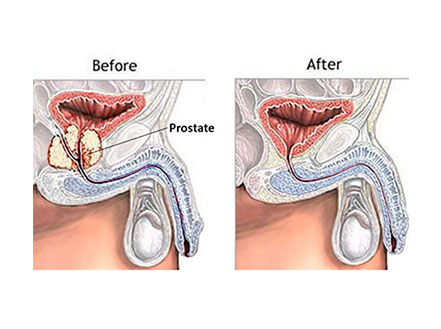
A prostatectomy is a surgical procedure for the partial or complete removal of the prostate. It may be performed to treat prostate cancer or benign prostatic hyperplasia. A common surgical approach to prostatectomy includes making a surgical incision and removing the prostate gland (or part of it). This may be accomplished with either of two methods, the retropubic or suprapubic incision (lower abdomen), or a perineum incision (through the skin between the scrotum and the rectum). Prior to having a prostatectomy, it’s often necessary to have a prostate biopsy. Please see this procedure for additional information. Radical prostatectomy (prostate removal) is surgery to remove all of the prostate gland and some of the tissue around it. It is done to treat prostate cancer.
All Services
get in touch today!
Contact Us
Address Medical
Work Time Information
10.00am - 04.00pm
Prostate Cancer Surgery Using Radical Prostatectomy
Radical prostatectomy is the standard surgical treatment for men with prostate cancer confined to the prostate gland. During the procedure, the prostate and seminal vesicles are removed carefully to ensure complete cancer clearance. When performed at the right stage, this surgery offers excellent cancer control and long-term disease-free survival.
Types of Radical Prostatectomy
The surgical approach depends on cancer stage, patient health, and surgeon expertise.
Open Radical Prostatectomy
Laparoscopic Radical Prostatectomy
Robotic-Assisted Radical Prostatectomy
Benefits of Radical Prostatectomy
Radical prostatectomy provides definitive treatment for prostate cancer in suitable patients.
Description
There are 4 main types or techniques of radical prostatectomy surgery. These procedures take about 3 to 4 hours:
RetropubicYour surgeon will make a cut starting just below your belly button that reaches to your pubic bone. This surgery takes 90 minutes to 4 hours.
Laparoscopic: The surgeon makes several small cuts instead of one big cut. Long, thin tools are placed inside the cuts. The surgeon puts a thin tube with a video camera (laparoscope) inside one of the cuts. This allows the surgeon to see inside your belly during the procedure.
Robotic surgery: Sometimes, laparoscopic surgery is performed using a robotic system. The surgeon moves the instruments and camera using robotic arms while sitting at a control console near the operating table. Not every hospital offers robotic surgery.
Perineal: Your surgeon makes a cut in the skin between your anus and base of the scrotum (the perineum). The cut is smaller than with the retropubic technique. This type of surgery often takes less time and causes less loss of blood. However, it is harder for the surgeon to spare the nerves around the prostate or to remove nearby lymph nodes with this technique.
For these procedures, you may have general anesthesia so that you are asleep and pain free. Or, you will get medicine to numb the lower half of your body (spinal or epidural anesthesia).
The surgeon removes the prostate gland from the surrounding tissue. The seminal vesicles, two small fluid-filled sacs next to your prostate, are also removed.
The surgeon will take care to cause as little damage as possible to the nerves and blood vessels.
The surgeon reattaches the urethra to a part of the bladder called the bladder neck.
The urethra is the tube that carries urine from the bladder out through the penis.
Your surgeon may also remove lymph nodes in the pelvis to check them for cancer.
A drain, called a Jackson-Pratt drain, may be left in your belly to drain extra fluid after surgery.
A tube (catheter) is left in your bladder to drain urine. This will stay in place for a few days to a few weeks.
Is Radical Prostatectomy a Safe Procedure?
Radical prostatectomy is a safe and commonly performed cancer surgery when carried out by experienced urologists. Modern surgical techniques, especially robotic assistance, have reduced complications and improved functional outcomes.
Success Rate of Radical Prostatectomy
Radical prostatectomy has a high success rate for localized prostate cancer. Many patients achieve long-term cancer control or cure, especially when surgery is performed at an early stage of the disease.
Preparation Before Radical Prostatectomy
Before surgery, patients undergo detailed evaluation including PSA testing, imaging studies, biopsy review, blood tests, and anesthesia assessment. Certain medications may need to be stopped to ensure surgical safety.
Hospital Stay After Radical Prostatectomy
Hospital stay typically ranges from 3 to 5 days, depending on the surgical approach and recovery. A urinary catheter is usually kept in place for a short period after surgery.
Recovery After Radical Prostatectomy
Most patients resume light activities within a few weeks. Complete recovery may take 4–6 weeks, depending on the surgical method. Pelvic floor exercises are often advised to improve urinary control.
Life After Radical Prostatectomy
After successful surgery, many patients return to an active and healthy life. Regular follow-up with PSA testing is essential to monitor cancer control and long-term health.
get in touch today!
Contact Us
Address Medical
Work Time Information
10.00am - 04.00pm
Is radical prostatectomy a cure for prostate cancer?
Will I need a catheter after surgery?
How long does recovery take after radical prostatectomy?
Can normal life continue after prostate removal?