
Transurethral Incision of the Prostate (TUIP)
Transurethral incision of the prostate (TUIP) is a procedure to treat urinary symptoms caused by an enlarged prostate. It’s generally used for men with small- to moderated-sized prostates. A combined visual and surgical instrument (resectoscope) is inserted through the tip of your penis into the tube that carries urine from your bladder (urethra). The prostate surrounds the urethra. The doctor cuts one or two small grooves in the area where the prostate and the bladder are connected (bladder neck) to open the urinary channel and allow urine to pass through more easily. TUIP is one of several minimally invasive treatment options for an enlarged prostate, a condition known as benign prostatic hyperplasia (BPH). To determine the right treatment choice for you, your doctor will consider how severe your symptoms are, what other health problems you have, and the size and shape of your prostate.
All Services
get in touch today!
Contact Us
Address Medical
Work Time Information
10.00am - 04.00pm
Prostate Surgery Using TUIP
TUIP is performed to relieve urinary obstruction caused by prostate enlargement by making one or two precise incisions in the prostate gland. These incisions reduce pressure on the urethra, allowing urine to flow more freely. Because no prostate tissue is removed, TUIP is associated with less bleeding and faster recovery compared to more extensive prostate surgeries.
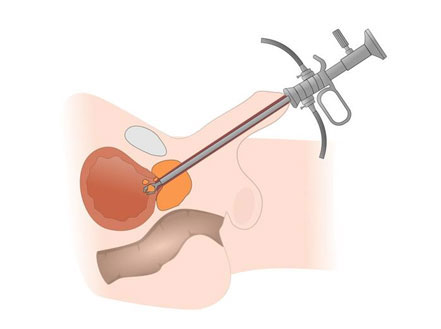
How TUIP Is Performed
TUIP is an endoscopic procedure performed under anesthesia.
Benefits of TUIP
TUIP offers effective symptom relief for selected patients with prostate enlargement.
Why it’s done?
TUIP helps reduce urinary symptoms caused by BPH, including
Frequent, urgent need to urinate
Difficulty starting urination
Slow (prolonged) urination
Increased frequency of urination at night
Stopping and starting again while urinating
The feeling that you can’t completely empty your bladder
Urinary tract infections
TUIP might also be done to treat or prevent complications due to blocked urine flow, such as:
Recurring urinary tract infections
Kidney or bladder damage
Kidney or bladder damage
Bladder stones
Blood in your urine
TUIP can offer several advantages over other methods of treating BPH, such as transurethral resection of the prostate (TURP) and open prostatectomy. The advantages can include:
Lower risk of bleeding. TUIP can be a good option for men who take medication to thin their blood or who have a bleeding disorder that doesn’t allow their blood to clot normally.
Minimal hospital stay. TUIP can be done on an outpatient basis although some men need to stay overnight for observation. TUIP might be a safer option than surgery if you have certain other health problems.
Lower risk of dry orgasm. TUIP is less likely than some other BPH treatments to cause the release of semen during ejaculation into the bladder rather than out of the penis (retrograde ejaculation). This isn’t harmful but can interfere with your ability to father a child.
Is TUIP a Safe Procedure?
TUIP is a safe and well-established procedure when performed by experienced urologists. Because it involves incisions rather than tissue removal, the risk of bleeding and complications is lower compared to TURP.
Success Rate of TUIP
TUIP has a high success rate in improving urinary symptoms in properly selected patients. Many men experience long-lasting relief, especially when prostate size and symptoms are suitable for this procedure.
Preparation Before TUIP
Before TUIP, patients undergo prostate evaluation, urine tests, blood investigations, and anesthesia assessment. Certain medications such as blood thinners may need to be stopped to ensure a safe procedure.
Hospital Stay After TUIP
TUIP is usually performed as a day-care or short-stay procedure. Most patients are discharged within 24 hours, depending on recovery and catheter removal.
Recovery After TUIP
Recovery after TUIP is fast. Most patients resume normal activities within 1–2 weeks. Mild urinary discomfort or frequency may occur initially but usually resolves as healing progresses.
Life After TUIP
After TUIP, most patients experience improved urinary flow and reduced symptoms. Regular follow-up helps monitor prostate health and ensures long-term symptom control.
get in touch today!
Contact Us
Address Medical
Work Time Information
10.00am - 04.00pm
What is TUIP used for?
How is TUIP different from TURP?
Is TUIP painful?
How long does recovery take after TUIP?