Hypospadias Surgery (Correction of Hypospadias)
Hypospadias surgery is a corrective surgical procedure performed to treat hypospadias, a congenital condition in which the opening of the urethra is located on the underside of the penis instead of the tip. The condition may also be associated with abnormal penile curvature and an incomplete foreskin. Surgery aims to create a normal urinary opening, straighten the penis if required, and ensure proper urinary and future sexual function.
All Services
get in touch today!
Contact Us
Address Medical
Work Time Information
10.00am - 04.00pm
Surgical Correction of Hypospadias
Hypospadias surgery involves reconstructing the urethra to bring the urinary opening to the tip of the penis and correcting any associated curvature. The procedure is usually performed under general anesthesia and is most effective when done at an early age. Modern surgical techniques allow precise correction with excellent functional and cosmetic outcomes.
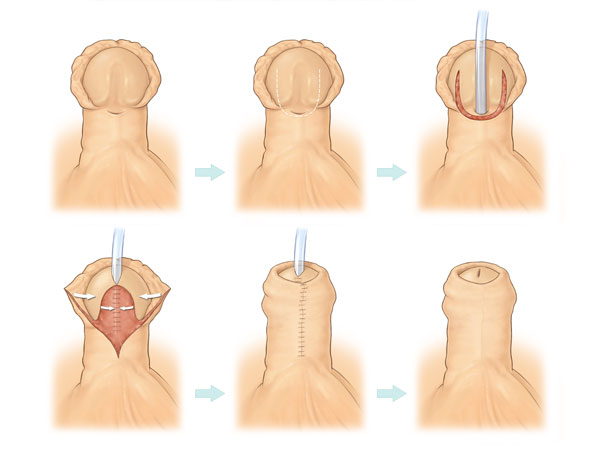
How Hypospadias Surgery Is Performed
Hypospadias repair is carried out using a structured and meticulous surgical approach.
Benefits of Hypospadias Surgery
Hypospadias surgery provides permanent correction and improves long-term urinary and reproductive health.
Who Should Consider Hypospadias Surgery?
Hypospadias surgery is recommended for infants and children diagnosed with hypospadias. The ideal age for surgery is usually between 6 months and 18 months, as early correction leads to better healing, fewer complications, and improved functional and cosmetic results.
The treatment for hypospadias is surgical repair. Hypospadias is generally repaired for functional and cosmetic reasons. The more proximally ectopic the position of the urethral meatus, the more likely the urinary stream is to be deflected downward, which may necessitate urination in a seated position. Any element of chordee can exacerbate this abnormality. Fertility may be affected. The abnormal deflection of ejaculate may preclude effective insemination, and significant chordee can preclude vaginal insertion of the penis or can be associated with inherently painful erections. Minor cases of hypospadias, in which the meatus is located up toward the tip of the glans, may not require surgical repair and may simply be managed with observation. It must be kept in mind, however, that although the most minor forms of hypospadias are insignificant in physiologic terms, they too may merit repair on the basis of the potential psychological stress associated with having a genital anomaly.
Surgical Care
The goals of surgical treatment of hypospadias are as follows:
To create a straight penis by repairing any curvature (orthoplasty)
To create a urethra with its meatus at the tip of the penis (urethroplasty)
To re-form the glans into a more natural conical configuration (glansplasty)
To achieve cosmetically acceptable penile skin coverage
To create a normal-appearing scrotum
The resulting penis should be suitable for future sexual intercourse, should enable the patient to void while standing, and should present an acceptable cosmetic appearance.
Success Rate of Hypospadias Surgery
Hypospadias surgery has a high success rate, especially for mild to moderate cases. Most children achieve normal urination and appearance after a single surgery. Complex cases may require staged procedures.
Preparation Before Hypospadias Surgery
Before surgery, the child undergoes a thorough physical examination and anesthesia assessment. No special tests are usually required unless advised by the surgeon. Parents receive detailed instructions regarding fasting and postoperative care.
Life After Hypospadias Surgery
After successful repair, most children grow up with normal urinary and sexual function. Regular follow-up ensures proper healing and development, providing long-term confidence and well-being.
get in touch today!
Contact Us
Address Medical
Work Time Information
10.00am - 04.00pm
What is the best age for hypospadias surgery?
Is hypospadias surgery painful?
Will my child need more than one surgery?
Can urethral strictuCan my child live a normal life after surgery?re come back after urethroplasty?