English
 KR
KR  IA
IA  JP
JP 

Kidney cancer often develops quietly. Many people feel completely normal in the early stages, which is why it is sometimes discovered accidentally during tests done for unrelated reasons. When symptoms do appear, they are often subtle and easy to ignore.
Learning how to recognise kidney cancer symptoms early can make a life-changing difference. Early detection improves treatment options, recovery, and long-term outcomes. This step-by-step guide explains the early signs of kidney cancer, why symptoms like weight loss and fatigue should not be dismissed, and how abnormal blood tests for kidney cancercan provide important clues.
This information is not meant to alarm you, but to help you notice changes early and seek timely medical advice.
Step 1: Understanding What Kidney Cancer Is
Kidney cancer begins when abnormal cells grow uncontrollably in one or both kidneys. The most common type is renal cell carcinoma, which starts in the lining of small tubes within the kidney.
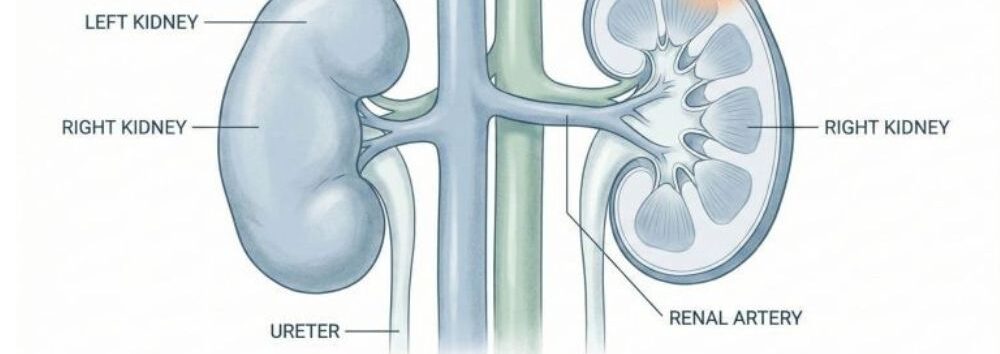
Kidneys filter waste from the blood, regulate fluids, and help control blood pressure. Because they sit deep inside the abdomen, tumors can grow for some time before causing noticeable symptoms.
This hidden nature makes awareness especially important.
Step 2: Knowing Who Is at Higher Risk
While kidney cancer can affect anyone, certain factors increase risk.
Common Risk Factors
- Increasing age, especially over 50
- Smoking
- Obesity
- Long-standing high blood pressure
- Family history of kidney cancer
- Certain genetic conditions
- Long-term kidney disease or dialysis
Having risk factors does not mean you will develop cancer, but it does mean being more alert to symptoms and screenings.
Step 3: Recognising Early Signs of Kidney Cancer
The early signs of kidney cancer are often mild and non-specific, which is why they are easily missed.
Blood in the Urine
One of the most important warning signs is blood in the urine. It may be:
- Visible to the eye
- Detected only on urine testing
- Intermittent rather than constant
Even a single episode should never be ignored.
Persistent Side or Lower Back Pain
Pain caused by kidney cancer:
- Is usually dull and persistent
- Occurs on one side
- Is not related to physical activity or injury
Pain that does not improve over time deserves medical evaluation.
A Lump or Mass in the Abdomen
Some people notice:
- A fullness or lump in the side or abdomen
- A feeling of pressure rather than pain
This usually appears in more advanced stages but should be assessed promptly.
Step 4: Understanding Weight Loss and Fatigue Causes
Unexplained weight loss and persistent tiredness are often overlooked because they seem vague or stress-related. However, weight loss and fatigue causes can sometimes point toward underlying cancer.
Why Kidney Cancer Causes These Symptoms
- Cancer alters metabolism
- Chronic inflammation affects energy levels
- Appetite may decrease
- Anaemia may develop
Losing weight without trying or feeling exhausted despite rest should always prompt a medical check.
Step 5: Recognising Systemic Symptoms
Kidney cancer can cause body-wide effects beyond the kidneys.
Common Systemic Symptoms
- Fever without infection
- Night sweats
- Persistent fatigue
- Loss of appetite
These symptoms often occur together and last longer than typical viral illnesses.
Step 6: Watching for Anaemia and Blood Pressure Changes
Kidneys help regulate red blood cell production and blood pressure.
Anaemia
Low red blood cell levels may cause:
- Weakness
- Shortness of breath
- Pale skin
- Dizziness
High Blood Pressure
Kidney tumors can interfere with hormone regulation, leading to sudden or worsening high blood pressure.
Step 7: Abnormal Blood Tests for Kidney Cancer
Many cases of kidney cancer are first suspected due to abnormal blood tests for kidney cancer, even before symptoms appear.
Common Blood Test Changes
- Anaemia
- Elevated calcium levels
- Abnormal liver enzymes
- Changes in kidney function tests
These findings do not confirm cancer but often trigger further investigation.
Step 8: Imaging Tests That Detect Kidney Cancer
When symptoms or blood tests raise concern, imaging plays a critical role.
Ultrasound
Often the first test used to detect kidney masses.
CT Scan
Provides detailed images of kidney tumors, size, and spread.
MRI
Used when CT scans are not suitable or more detail is needed.
Imaging helps confirm diagnosis and guide treatment planning.
Step 9: When to See a Doctor Without Delay
You should seek medical advice promptly if you notice:
- Blood in urine
- Persistent side or back pain
- Unexplained weight loss
- Ongoing fatigue
- Fever without clear cause
- Abnormal blood test results
Early evaluation does not mean cancer is present, but it ensures serious conditions are ruled out early.
Step 10: Why Early Detection Matters So Much
Kidney cancer detected early:
- Has higher cure rates
- Often requires less extensive treatment
- Allows kidney-preserving options
- Leads to better quality of life
Late detection may require more aggressive treatment and carries higher risk of spread.
Living Without Fear but With Awareness
Awareness does not mean constant worry. Most symptoms have non-cancerous causes. The goal is not to panic, but to pay attention to persistent or unexplained changes.
Listening to your body and acting early is a form of self-care, not fear.
Supporting Overall Kidney Health
While kidney cancer cannot always be prevented, healthy habits help overall kidney function:
- Avoid smoking
- Maintain healthy weight
- Manage blood pressure
- Stay hydrated
- Get regular health check-ups
These steps support both kidney and general health.
Conclusion
Recognising kidney cancer symptoms early is about noticing small signals before they become big problems. The early signs of kidney cancer are often subtle, but symptoms like unexplained weight loss and fatigue, persistent pain, blood in urine, and abnormal blood tests for kidney cancer should never be ignored.
Early evaluation leads to clarity, timely treatment, and better outcomes. If something feels off or symptoms persist, trust your instincts and consult a doctor. Early action can truly save lives.
Faqs
1. What are the earliest symptoms of kidney cancer?
Early kidney cancer symptoms may include blood in urine, dull lower back pain on one side, unexplained fatigue, or weight loss. Many people have no symptoms initially, which is why routine tests and imaging sometimes detect it first.
2. Can kidney cancer cause fatigue and weight loss?
Yes, kidney cancer can affect metabolism and red blood cell production, leading to ongoing tiredness and unintentional weight loss. These symptoms often develop gradually and may be mistaken for stress, ageing, or other non-serious health issues.
3. Is blood in urine always a sign of kidney cancer?
Blood in urine does not always mean kidney cancer, but it should never be ignored. It can also occur due to infections, stones, or prostate issues, so medical evaluation is essential to identify the exact cause early.
4. What blood tests can indicate kidney cancer?
Abnormal blood tests for kidney cancer may show anaemia, high calcium levels, abnormal liver enzymes, or changes in kidney function. These findings alone do not confirm cancer but often prompt imaging tests for further evaluation.
5. How is kidney cancer usually detected early?
Kidney cancer is often detected early through imaging tests like ultrasound or CT scans, sometimes done for unrelated abdominal pain or health check-ups. Blood and urine test abnormalities may also raise suspicion and lead to further investigation.
6. Can kidney cancer exist without symptoms?
Yes, early-stage kidney cancer often causes no noticeable symptoms. This is why it may remain undetected until imaging or blood tests reveal abnormalities, highlighting the importance of regular health check-ups, especially for people with risk factors.
7. When should I see a doctor for possible kidney cancer symptoms?
You should see a doctor if you notice blood in urine, persistent back or side pain, unexplained weight loss, long-lasting fatigue, or abnormal test results. Early consultation helps rule out serious causes and improves treatment outcomes if cancer is found.
8. Are kidney cancer symptoms similar to kidney stones?
Some symptoms overlap, such as pain and blood in urine. However, kidney stone pain is usually sudden and severe, while kidney cancer pain tends to be dull and persistent. Imaging tests help distinguish between the two conditions accurately.
9. Can abnormal kidney function tests mean cancer?
Not always. Kidney function tests can be abnormal due to dehydration, infection, medications, or chronic kidney disease. However, unexplained or persistent abnormalities may require imaging to rule out structural problems, including tumors.
10. Does early detection of kidney cancer improve survival?
Yes, detecting kidney cancer early significantly improves survival rates and treatment options. Early-stage cancer is often treatable with kidney-sparing surgery and has much better long-term outcomes compared to advanced-stage disease.