
Kidney Transplantation
Kidney transplantation is a surgical procedure in which a healthy kidney from a living or deceased donor is transplanted into a patient with end-stage kidney disease. It is considered the most effective treatment for chronic kidney failure, offering better quality of life and longer survival compared to long-term dialysis. Kidney transplantation helps restore normal kidney function, allowing patients to return to a healthier and more active life.
All Services
get in touch today!
Contact Us
Address Medical
Work Time Information
10.00am - 04.00pm
Surgery for Kidney Transplantation
Kidney transplantation involves placing a healthy donor kidney into the lower abdomen and connecting it to the patient’s blood vessels and bladder. The diseased kidneys are usually left in place unless they cause complications. The surgery is performed under general anesthesia and requires a highly specialized surgical team.
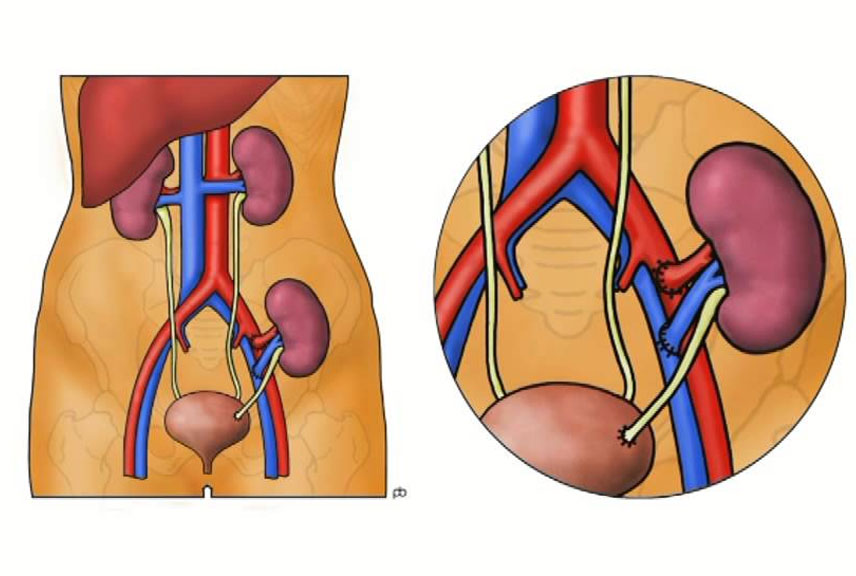
How Kidney Transplantation Is Performed
Kidney transplantation follows a carefully planned surgical process.
Donor Kidney Evaluation
Recipient Preparation
Placement of Donor Kidney
Connection and Function Check
Benefits of Kidney Transplantation
Kidney transplantation offers long-term medical and lifestyle benefits.
Who Should Consider Kidney Transplantation?
Kidney transplantation is recommended for patients with end-stage renal disease who are medically fit for surgery. Candidates are carefully evaluated to ensure they can safely undergo the procedure and manage lifelong post-transplant care.
Is Kidney Transplantation Safe?
Kidney transplantation is a safe and well-established procedure when performed at specialized transplant centers. Advances in surgical techniques and immunosuppressive medications have significantly improved safety and success rates.
Success Rate of Kidney Transplantation
Kidney transplantation has a high success rate, with most transplanted kidneys functioning well for many years. Outcomes are especially favorable with living donor transplants.
Preparation Before Kidney Transplantation
Preparation includes detailed medical evaluation, blood tests, imaging studies, tissue matching, and counseling. Patients are also educated about lifelong medications and follow-up care.
Hospital Stay After Kidney Transplantation
Hospital stay usually ranges from 5 to 10 days, depending on recovery and kidney function. Close monitoring is done during this period.
Recovery After Kidney Transplantation
Recovery takes several weeks. Patients gradually resume daily activities while following medical advice and medication schedules.
Pain Management After Kidney Transplantation
Postoperative pain is managed with medications. Discomfort decreases steadily as healing progresses.
Risks and Complications of Kidney Transplantation
Possible risks include infection, rejection of the transplanted kidney, bleeding, or side effects from immunosuppressive medications. Regular follow-up helps manage these risks effectively.
Life After Kidney Transplantation
After transplantation, most patients experience a significant improvement in quality of life. Lifelong medications and regular check-ups are essential to maintain kidney health and prevent rejection.
get in touch today!
Contact Us
Address Medical
Work Time Information
10.00am - 04.00pm
What is kidney transplantation?
Who can donate a kidney?
Is kidney transplantation better than dialysis?
How long does a transplanted kidney last?