
Nephrectomy (Kidney Removal Surgery)
Nephrectomy is a surgical procedure performed to remove all or part of a kidney when it is severely damaged, non-functioning, or affected by serious disease. This surgery is recommended when preserving the kidney is not possible or when removal is necessary to protect overall health. Nephrectomy can be performed using open surgery or minimally invasive laparoscopic techniques, depending on the patient’s condition and medical needs.
All Services
get in touch today!
Contact Us
Address Medical
Work Time Information
10.00am - 04.00pm
Kidney Removal Surgery (Nephrectomy)
Kidney removal surgery is performed when a kidney is permanently damaged or affected by conditions such as severe infection, tumors, trauma, or long-standing obstruction. The surgery involves removing the affected kidney while preserving surrounding organs. When one healthy kidney remains, it can usually perform all necessary kidney functions effectively.
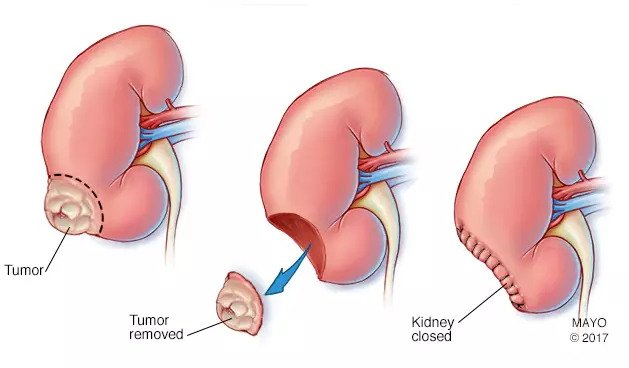
Types of Nephrectomy
Nephrectomy may be performed in different forms depending on the condition.
Partial Nephrectomy
Simple Nephrectomy
Radical Nephrectomy
Benefits of Nephrectomy
Nephrectomy provides effective treatment for serious kidney conditions when other options are not suitable.
Who Should Consider Nephrectomy?
Nephrectomy is recommended for patients with non-functioning kidneys, kidney tumors, severe infections, traumatic kidney injury, or irreversible kidney damage. The decision is made after detailed evaluation by a urologist.
Is Nephrectomy a Safe Procedure?
Nephrectomy is a safe and commonly performed surgery when done by experienced surgeons. With modern surgical techniques and careful monitoring, most patients recover well and live a normal life with one healthy kidney.
Success Rate of Nephrectomy
Nephrectomy has a high success rate in resolving the underlying kidney condition. Most patients experience significant symptom relief and good long-term outcomes after surgery.
Preparation Before Nephrectomy
Before surgery, patients undergo imaging tests, blood investigations, and kidney function evaluation. Certain medications may need to be stopped. Proper preparation ensures safe anesthesia and smooth recovery.
Hospital Stay After Nephrectomy
Hospital stay depends on the type of surgery performed. Minimally invasive nephrectomy usually requires 2–4 days, while open surgery may require a longer stay.
Recovery After Nephrectomy
Recovery time varies based on the surgical approach. Most patients resume normal activities within 3–6 weeks. Regular follow-up is important to monitor remaining kidney function.
Pain Management After Nephrectomy
Postoperative pain is managed with medications and gradually improves as healing progresses. Minimally invasive techniques usually result in less pain and faster recovery.
Risks and Complications of Nephrectomy
Possible risks include bleeding, infection, injury to nearby organs, or delayed recovery. Serious complications are uncommon when surgery is performed by experienced specialists.
Life After Nephrectomy
Most people live a normal, healthy life with one kidney. Maintaining hydration, a balanced diet, and regular medical follow-up helps protect long-term kidney health.
get in touch today!
Contact Us
Address Medical
Work Time Information
10.00am - 04.00pm
Can a person live normally with one kidney?
Is nephrectomy a major surgery?
How long does recovery take after nephrectomy?
When is nephrectomy absolutely necessary?