Testicular Cancer
Testicular cancer is a type of cancer that develops in the testicles, the male reproductive glands responsible for producing sperm and testosterone. It most commonly affects younger men between the ages of 15 and 40. Testicular cancer is highly treatable and often curable, especially when diagnosed early. Awareness, self-examination, and timely medical care play a crucial role in successful outcomes.
All Services
get in touch today!
Contact Us
Address Medical
Work Time Information
10.00am - 04.00pm
Treatment for Testicular Cancer
Treatment for testicular cancer depends on the type and stage of cancer. Common treatments include surgical removal of the affected testicle (orchiectomy), chemotherapy, radiation therapy, or a combination of these. Treatment plans are personalized to achieve maximum cancer control while preserving overall health and fertility when possible.
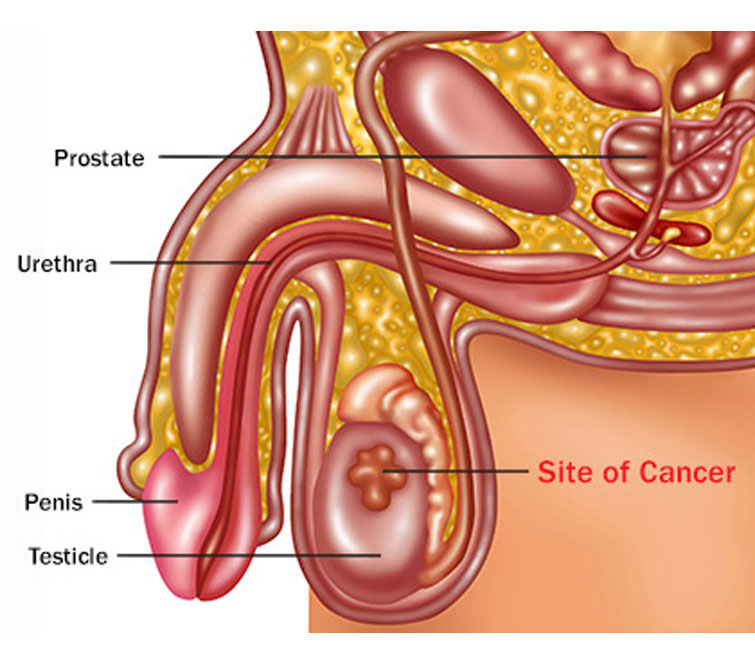
How Testicular Cancer Is Evaluated and Treated
Management of testicular cancer follows a structured medical approach.
Clinical Examination and Ultrasound
Blood Tests (Tumor Markers)
Surgical Treatment
Staging and Further Therapy
Benefits of Testicular Cancer Treatment
Modern treatment provides excellent outcomes.
Who Should Seek Evaluation for Testicular Cancer?
Men who notice a painless lump, swelling, heaviness, or discomfort in the testicles should seek immediate medical evaluation. Regular self-examination is especially important for young men.
Is Testicular Cancer Treatment Safe?
Testicular cancer treatment is safe and highly effective when managed by experienced specialists. Advances in oncology and surgery have greatly reduced complications.
Success Rate of Testicular Cancer Treatment
Testicular cancer has one of the highest cure rates among all cancers, with survival rates exceeding 95% in early stages.
Preparation Before Testicular Cancer Treatment
Preparation includes blood tests, imaging studies, fertility counseling, and sperm banking if required before treatment begins.
Hospital Stay After Testicular Cancer Surgery
Surgery usually requires a short hospital stay or is performed as a day-care procedure, depending on patient recovery.
Recovery After Testicular Cancer Treatment
Recovery is generally quick after surgery. Chemotherapy or radiation may require additional recovery time, but most patients resume normal activities soon.
Pain Management During Testicular Cancer Treatment
Postoperative pain is mild and managed effectively with medications. Treatment-related discomfort is temporary.
Risks and Complications of Testicular Cancer Treatment
Possible risks include infection, fertility changes, hormonal imbalance, or treatment side effects. These are carefully monitored and managed.
Life After Testicular Cancer Treatment
After treatment, most men lead normal, healthy lives. Regular follow-up and self-examination are important to monitor long-term health and prevent recurrence.
get in touch today!
Contact Us
Address Medical
Work Time Information
10.00am - 04.00pm
What is testicular cancer?
What are the early signs of testicular cancer?
Is testicular cancer curable?
Can fertility be preserved after testicular cancer?